














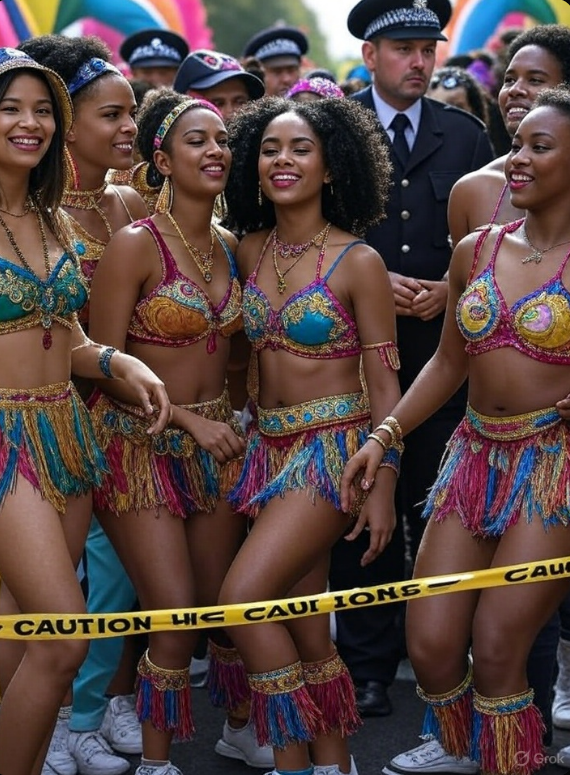
Each year, the Notting Hill Carnival transforms West London into a vibrant celebration of Caribbean culture, drawing millions with its dazzling costumes, pulsating music, and community spirit. However, this year’s event was overshadowed by serious incidents, including a shocking Notting Hill Carnival stabbing where an attendee was attacked five times with a machete, alongside a record-breaking 528 arrests over the weekend. While the festival remains a beloved cultural staple, these events have sparked renewed discussions about safety and policing. Here’s a closer look at what happened and what it means for the future of this iconic event.
Notting Hill Carnival Stabbing: A Violent Incident Shocks Attendees
The Notting Hill Carnival, held annually over the August bank holiday weekend, is one of the world’s largest street festivals, attracting up to two million people. This year, the event saw four reported stabbings, with one particularly alarming case involving an individual stabbed five times with a machete. According to the Metropolitan Police, none of these incidents resulted in life-threatening injuries, but the severity of the machete attack sent shockwaves through the community.
The machete stabbing occurred amidst a broader backdrop of violence, with 528 arrests made over the two-day event—the highest in six years. The arrests covered a range of offenses, including 167 for drug-related crimes, 55 for assaults on police officers, and 21 for sexual offenses. Two officers were hospitalized, one with a broken nose and another with a serious bite injury. Despite the vibrant costumes and joyful atmosphere, these incidents highlight the challenges of managing such a large-scale event.
A History of Violence at the Carnival
This isn’t the first time the Notting Hill Carnival has faced safety concerns. Freedom of Information data reveals a troubling pattern of violence in recent years. In 2022, seven stabbings occurred, including the fatal attack on 21-year-old Takayo Nembhard. Last year, eight stabbings were reported, with two fatalities: 32-year-old mother Cher Maximen and 41-year-old chef Mussie Imnetu. This year’s four stabbings, while fewer than the peak of 18 in 2019, still underscore ongoing issues.
Posts on X reflect public sentiment, with some praising the police’s proactive measures, such as facial recognition and knife arches, which contributed to a reduction in serious violence compared to previous years. Others, including the family of Cher Maximen, have called the event “unmanageable” and “unsafe,” urging for significant changes to ensure attendee safety.
Policing and Safety Measures: Can the Carnival Stay Safe?
The Metropolitan Police deployed over 7,000 officers each day to manage the massive crowds, implementing strategies like live facial recognition, knife arches, and enhanced stop-and-search powers. These efforts led to 61 arrests via facial recognition alone and the seizure of dozens of knives and guns before the event began. Assistant Commissioner Matt Ward noted that these proactive measures prevented some of the serious violence seen in past years, with arrests targeting those intent on causing harm.
Community and Organizers Respond
Notting Hill Carnival organizers emphasized that the event remains a community-led celebration of Caribbean culture, with the vast majority of attendees enjoying the festival peacefully. They highlighted their collaboration with police to enhance crowd management, freeing up officers to focus on crime prevention. A spokesperson noted that arrests represent a “vanishingly small” fraction of the one to two million attendees, underscoring the event’s global appeal.
However, the recurring violence has prompted calls for change. Some, like former London mayoral candidate Susan Hall, have suggested relocating the carnival to a park for better policing, though Mayor Sadiq Khan’s office insists it should remain in its historic Notting Hill home. Others advocate for tougher laws on weapons like machetes and zombie knives, with new legislation proposed to increase penalties for possession and sale.
Tips for Staying Safe at Large Festivals
For those planning to attend future carnivals or similar events, here are some actionable tips to stay safe:
- Stay Aware of Your Surroundings: Large crowds can be disorienting. Keep an eye on exits and avoid isolated areas.
- Travel in Groups: Stick with friends or family to enhance safety and deter potential troublemakers.
- Know the Safety Protocols: Familiarize yourself with event security measures, such as knife arches or police checkpoints.
- Report Suspicious Behaviour: If you see something concerning, like someone brandishing a weapon, alert security or police immediately.
Looking Ahead: Balancing Culture and Safety
The Notting Hill Carnival remains a cornerstone of London’s cultural calendar, celebrating Caribbean heritage with unmatched vibrancy. Yet, incidents like the machete stabbing and the high number of arrests highlight the need for ongoing safety improvements. The Metropolitan Police and organizers are committed to working together to protect attendees, but the challenge lies in preserving the festival’s spirit while addressing the actions of a small minority.
Public sentiment on X shows a mix of pride in the carnival’s cultural significance and frustration over recurring violence. As one user noted, “The carnival is a beautiful celebration, but we can’t ignore the need for better safety measures.” With proactive policing and community collaboration, there’s hope that future events can maintain their joyful essence while ensuring everyone returns home safely.
What do you think about the balance between celebration and safety at events like the Notting Hill Carnival? Share your thoughts in the comment section below and visit www.iwerenews.com for more trending news analysis.