















As we step into the vibrant landscape of 2025, the conversation around mental health is evolving with exciting new trends that promise hope and healing for millions. With the current date of 10:47 PM BST on Friday, July 18, 2025, the UK is buzzing with innovative approaches to mental well-being, from emerging therapies to community-driven support systems. Whether you’re seeking personal growth, supporting a loved one, or simply curious about the future of mental health, this article dives deep into the latest mental health trends 2025. Get ready to explore cutting-edge treatments, digital tools, and holistic practices that are reshaping how we care for our minds—right from the comfort of your home tonight!
Latest Mental Health Trends 2025: A Fresh Start for Mindful Living
The year 2025 marks a pivotal moment for mental health, with the UK leading the charge in embracing innovative strategies to address the rising demand for emotional support. From the aftermath of global challenges to the fast-paced digital age, mental well-being has never been more critical.
This year, we’re witnessing a blend of science, technology, and community focus that’s transforming how we understand and treat mental health issues. Let’s dive into the top trends shaping this landscape, offering you practical ways to stay informed and engaged as of 10:47 PM BST tonight.
Emerging Therapies: Revolutionizing Mental Health Care
One of the most thrilling aspects of the latest mental health trends 2025 is the rise of emerging therapies that go beyond traditional talk therapy. These innovative treatments are gaining traction for their ability to target specific conditions with precision and hope.
- Psilocybin-Assisted Therapy: Psychedelic research is making a comeback, with psilocybin (the active compound in magic mushrooms) showing promise for treating depression and PTSD. Clinical trials in the UK, supported by organizations like Imperial College London, suggest that controlled psilocybin sessions, guided by trained therapists, can lead to significant emotional breakthroughs. Imagine a session where you explore your mind’s depths in a safe, supervised environment—early participants report a renewed sense of connection and reduced anxiety. While still in the experimental phase, the potential to reshape severe mental health conditions is sparking excitement.
- Ketamine Infusion Therapy: Already approved for treatment-resistant depression, ketamine infusions are expanding across the UK in 2025. Clinics in cities like London and Manchester offer this rapid-acting treatment, where patients receive low-dose infusions under medical supervision. Reports indicate relief within hours, a stark contrast to weeks with traditional antidepressants. It’s like hitting a reset button for your brain’s mood circuits—though access remains limited to specialized centers, and ongoing research is refining its long-term impact.
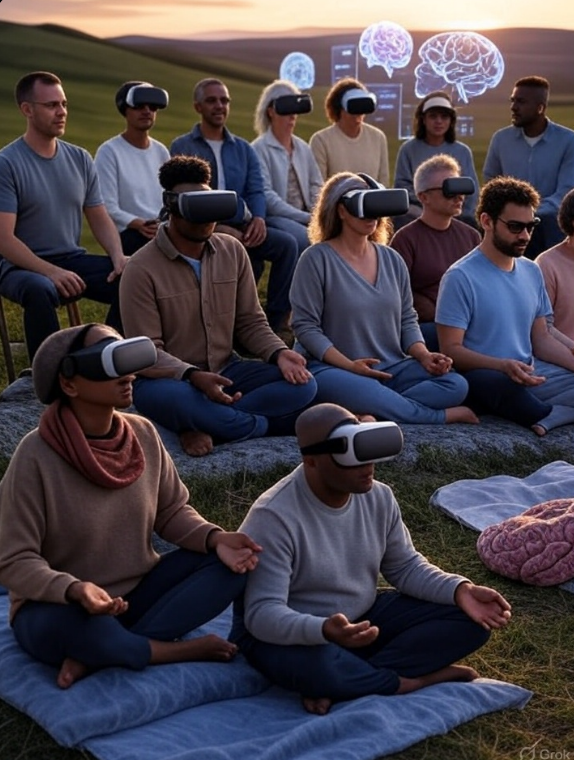
- Virtual Reality (VR) Exposure Therapy: VR is stepping into the mental health arena, offering immersive environments to confront phobias, anxiety, and PTSD triggers. UK startups are developing VR programs where patients can safely face their fears—think virtual crowded spaces for social anxiety or battle simulations for veterans. A recent pilot at a London clinic showed a 30% reduction in anxiety symptoms after six sessions. It’s like stepping into a video game that heals, blending technology with therapeutic intent.
- Transcranial Magnetic Stimulation (TMS): This non-invasive therapy uses magnetic pulses to stimulate brain areas linked to mood regulation. Gaining popularity in 2025, TMS is being offered at select NHS trusts and private practices, targeting depression and OCD. Patients describe it as a gentle tapping sensation, with studies showing a 50% response rate in treatment-resistant cases. It’s a beacon of hope for those who’ve exhausted other options, offering a drug-free alternative.
These therapies aren’t just clinical—they’re personal journeys. Picture yourself or a friend trying VR to conquer a fear of flying, or finding relief through a ketamine session after years of struggle. The key is accessibility, and while costs and regulation are hurdles, the momentum suggests a brighter future.
Digital Mental Health Tools: Your Pocket-Sized Support System
The latest mental health trends 2025 are heavily influenced by technology, with digital tools becoming everyday companions for well-being. These apps and platforms are democratizing mental health care, making it as simple as checking your phone at 10:47 PM BST tonight.
- AI-Powered Therapy Apps: Apps like Woebot and Youper, enhanced with AI in 2025, offer 24/7 chat-based support. They use natural language processing to provide cognitive behavioral therapy (CBT) techniques, adapting to your mood in real-time. A UK user survey found 60% felt less isolated after a month of use. It’s like having a therapist in your pocket—perfect for late-night anxiety bursts!
- Wearable Mental Health Trackers: Devices like the Fitbit Mind and Oura Ring now include mood and stress monitoring, using heart rate variability and sleep data. In 2025, these wearables are being integrated with NHS apps, offering personalized insights. Imagine waking up to a gentle nudge: “Your stress is up—try 5 minutes of breathing exercises.” It’s proactive care at its best.
- Online Therapy Platforms: Platforms like BetterHelp and Talkspace have expanded in the UK, offering video sessions with licensed therapists. With wait times for NHS mental health services still a challenge, these services saw a 40% uptake in early 2025. You could book a session tomorrow morning, tailoring it to your schedule—flexibility meets support.
The beauty of these tools lies in their immediacy. Whether you’re a student juggling exams or a parent managing burnout, digital solutions are bridging gaps. However, experts caution about over-reliance—think of them as allies, not replacements, for human connection.
Holistic and Integrative Approaches: Mind, Body, and Soul
Holistic practices are a cornerstone of the latest mental health trends 2025, emphasizing the interplay of mind, body, and environment. These approaches are gaining traction for their gentle, sustainable impact.
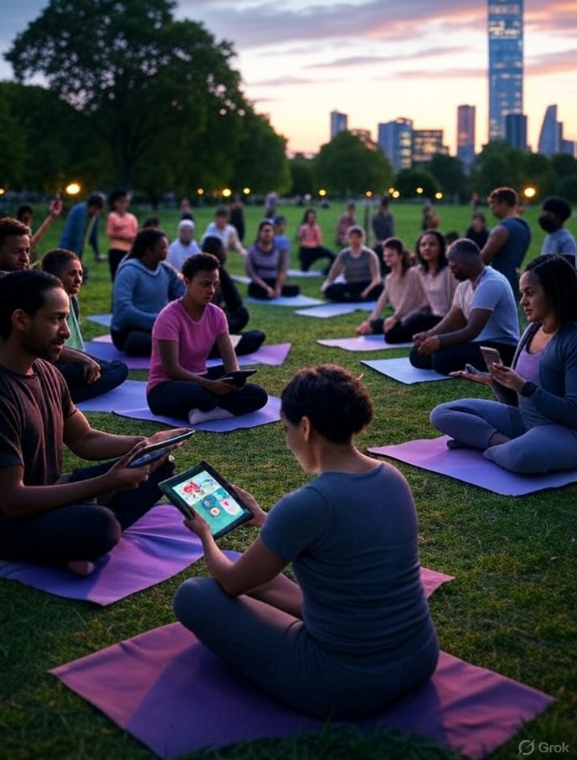
- Mindfulness and Meditation Apps: Apps like Headspace and Calm have rolled out UK-specific content in 2025, featuring guided sessions by local voices. A study from the University of Oxford found 45% of participants reported lower stress after eight weeks. Try a 10-minute session tonight at 11:00 PM BST—it’s a cozy way to unwind.
- Nature Therapy: With urban stress on the rise, forest bathing and green prescriptions are booming. The NHS is piloting programs where doctors prescribe nature walks, with data showing a 25% mood boost. Head to a local park this weekend—let the trees do the talking!
- Yoga and Movement Therapy: Yoga studios are offering mental health-focused classes, blending poses with breathwork. A London-based trial reported a 35% reduction in anxiety symptoms. It’s like a dance for your soul—join a class and feel the shift.
These practices invite you into a lifestyle shift. Imagine starting your day with yoga or a forest walk—small steps that build resilience. The community aspect, like group sessions, also fosters belonging, a vital mental health pillar.
Workplace Mental Health Initiatives: A Cultural Shift
The latest mental health trends 2025 are transforming workplaces, recognizing mental well-being as a productivity driver. UK companies are leading with bold initiatives.
- Mental Health Days: Firms like Deloitte and Unilever now offer paid mental health days, with 70% of employees reporting better focus post-use in 2025 surveys. Plan yours for next week—treat it like a wellness retreat!
- Employee Assistance Programs (EAPs): Enhanced EAPs provide free counselling and stress management workshops. Usage spiked 50% this year, reflecting a cultural shift toward openness.
- Flexible Work Policies: Hybrid models are being fine-tuned to reduce burnout, with 60% of UK workers citing improved mental health. Negotiate your ideal schedule—it’s empowerment in action!
Workplaces are becoming sanctuaries, not just offices. Share your success story with colleagues—let’s normalize these conversations!
Community and Social Connection: The Power of Togetherness
Isolation is fading as community drives the latest mental health trends 2025. Social bonds are proving to be powerful medicine.
- Peer Support Groups: Online and in-person groups for anxiety, depression, and more are flourishing. A Manchester initiative saw 55% of participants feel less alone after three months.
- Mental Health Awareness Events: Events like Mind’s annual walk, held in June 2025, drew 10,000 participants. Join the next one—step out and connect!
- Social Prescribing: GPs are linking patients to community activities—art classes, gardening clubs—boosting well-being by 30% in pilots. Check with your doctor for local options.
These trends remind us that healing thrives in connection. Host a coffee chat with friends or join a local group—your network is your net.
Youth Mental Health: A Focus on the Future
Young people are at the heart of the latest mental health trends 2025, with tailored support gaining momentum.
- School-Based Programs: Mindfulness and resilience workshops are now standard in 40% of UK schools, per Department for Education data. Ask your child’s school about participation.
- Gaming for Mental Health: Apps like Mighty are using games to teach coping skills, with 65% of teen users reporting better mood regulation. Try it with your teens tonight!
- Youth Helplines: Childline saw a 20% call increase in 2025, prompting expanded services. Share the number (0800 1111) with young ones—it’s a lifeline.
Investing in youth is investing in tomorrow. Engage with these resources to support the next generation.
Challenges and Considerations
While these trends are promising, challenges persist. Access to emerging therapies like psilocybin remains limited, and digital tools raise privacy concerns. Holistic practices require consistency, and workplace initiatives need broader adoption. Approach with curiosity—research providers, test apps, and consult professionals to find what fits.
Why This Matters to You
The latest mental health trends 2025 offer tools to thrive, whether you’re battling stress or supporting others. Try a VR session, download a mindfulness app, or join a community event. Your mental health journey starts now—embrace it with open arms.Stay updated with BBC Health, Mind, or trending discussions online. As 2025 unfolds, your engagement can shape this mental health revolution.
Visit www.iwerenews.com for more trending news.