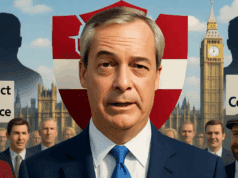
















The United Kingdom is on the brink of a transformative electoral shift as the government announces voting age lowered to 16 for all elections, effective by the next general election. Confirmed today at 12:07 PM BST on Thursday, July 17, 2025, this landmark decision fulfils a key Labour Party manifesto pledge from July 2024, adding over 1.5 million young voters to the electorate. This news article explores the details of this historic change, the reactions it has sparked, and its implications for democracy, ensuring you stay informed about one of the UK’s most significant political stories of the year.
Voting Age Lowered to 16: A Bold Step Toward Youth Empowerment
The decision to lower the voting age to 16 marks a pivotal moment in UK electoral history, aligning England with Scotland and Wales, where 16- and 17-year-olds have voted in devolved elections since 2014 and 2019, respectively. Democracy Minister Rushanara Ali described it as a “generational step forward,” emphasizing its potential to boost youth engagement and rebuild trust in democratic processes. With the change set to take effect before the next general election, expected by 2029, this reform aims to invigorate a younger electorate often underrepresented in politics.
Expanding the Electorate
This overhaul adds approximately 1.5 million 16- and 17-year-olds to the voter rolls, a move championed by Labour as a way to reflect modern societal values. The government argues that young people, already eligible to pay taxes and join the military, deserve a voice in shaping their future. Supporters point to successful implementations in Scotland and Wales, where youth turnout has steadily increased, with 2021 Scottish Parliament elections seeing 16-17-year-olds vote at rates comparable to older demographics.
The process will involve updating voter registration systems, with a public awareness campaign launching next month to educate teens on their new rights. This proactive approach underscores the government’s commitment to inclusivity, making it a hot topic for political analysts and citizens alike.
Mixed Public and Political Reactions on Voting Age Lowered to 16
While the change has been hailed as progressive, it has ignited a firestorm of debate. Nigel Farage, leader of Reform UK, has fiercely opposed the decision, labeling it an attempt to “rig future elections” in Labour’s favor. His comments, echoed by some Conservative voices, suggest the policy could skew electoral outcomes toward left-leaning parties, given historical youth voting patterns. Posts found on X reflect this division, with hashtags like #VotingAge16 trending alongside arguments both for and against.A recent ITV News survey adds nuance, revealing that 49% of 16- and 17-year-olds disagree with the change, citing concerns about maturity or lack of political experience. This unexpected resistance from the affected group has fueled discussions on whether the reform truly serves its intended audience, making it a complex narrative to unpack.
Broader Electoral Reforms and Security Measures
The lowering of the voting age is just one piece of a comprehensive electoral overhaul announced today. Alongside this change, the government is introducing new voter ID rules and tightened campaign finance laws, aimed at safeguarding against foreign interference. These measures come in response to growing concerns about external influence, including rumoured large donations from figures like Elon Musk to Reform UK, though no concrete evidence has been presented.
Voter ID and Accessibility
The updated voter ID requirements, building on the 2022 pilot scheme, will mandate photo identification at polling stations. While designed to prevent fraud, critics argue it could disenfranchise vulnerable groups, including some young voters lacking IDs. The government plans to offer free ID cards to address this, with a rollout scheduled for early 2026. This balance between security and access is a key focus, with public consultations set to begin next week.
Campaign Finance Crackdown
The tightened campaign finance laws target foreign donations, a move prompted by allegations of illicit funding in recent elections. The Electoral Commission will gain enhanced powers to investigate and penalize breaches, with penalties up to £500,000 for violations. This reform aligns with international trends, as seen in the US and EU, and aims to restore public confidence in the electoral process—though it has raised eyebrows among parties reliant on large donors.
Implications for UK Democracy
This electoral overhaul could reshape the political landscape, particularly as the UK navigates economic challenges and shifting voter demographics. The inclusion of younger voters may pressure parties to address issues like climate change, education, and technology, which resonate with this age group. However, the backlash suggests a need for careful implementation to avoid alienating segments of the electorate.
Youth Engagement Potential
Proponents argue that lowering the voting age will foster lifelong civic participation. Educational programs in schools, set to launch in September 2025, will teach 16- and 17-year-olds about voting and policy-making, aiming to mirror Scotland’s successful civics curriculum. Early data from devolved regions suggests a 10% increase in youth political awareness since the age was lowered, offering a promising precedent.
Political Polarization Risks
Conversely, the opposition’s concerns about electoral bias could deepen political polarization. Reform UK and some Conservative factions plan to challenge the reform in Parliament, potentially delaying its implementation. Posts found on X indicate a polarized public, with some users celebrating expanded democracy and others decrying it as a “Labour power grab.” This tension will likely dominate political discourse in the coming months.
Global Context and Comparisons
The UK’s move aligns it with a growing global trend. Countries like Austria, Malta, and parts of Germany already allow 16-year-olds to vote in certain elections, with mixed results. Austria’s experience shows a slight leftward shift in youth votes, while Malta reports higher turnout among teens. The UK government cites these examples to justify its policy, though critics warn of adapting foreign models without local context. Internationally, the reform has drawn attention.
The BBC notes reactions from EU leaders, who see it as a potential blueprint for other nations, while US commentators debate its relevance amid their own voting age discussions. This global lens adds weight to the UK’s decision, positioning it as a leader in democratic innovation.
What This Means for You
Whether you’re a young voter gaining new rights, a parent navigating this change with your teen, or a political observer, this overhaul affects everyone. The expanded electorate could shift policy priorities, while new ID rules may require action to ensure eligibility. Staying informed is key as the details unfold.
For the latest updates, follow BBC Politics, The Guardian, or posts found on X, where real-time reactions continue to evolve. As the government prepares for public consultations, your voice—shared through feedback or social media—could shape this historic reform.
Visit www.iwerenews.com for more trending news.